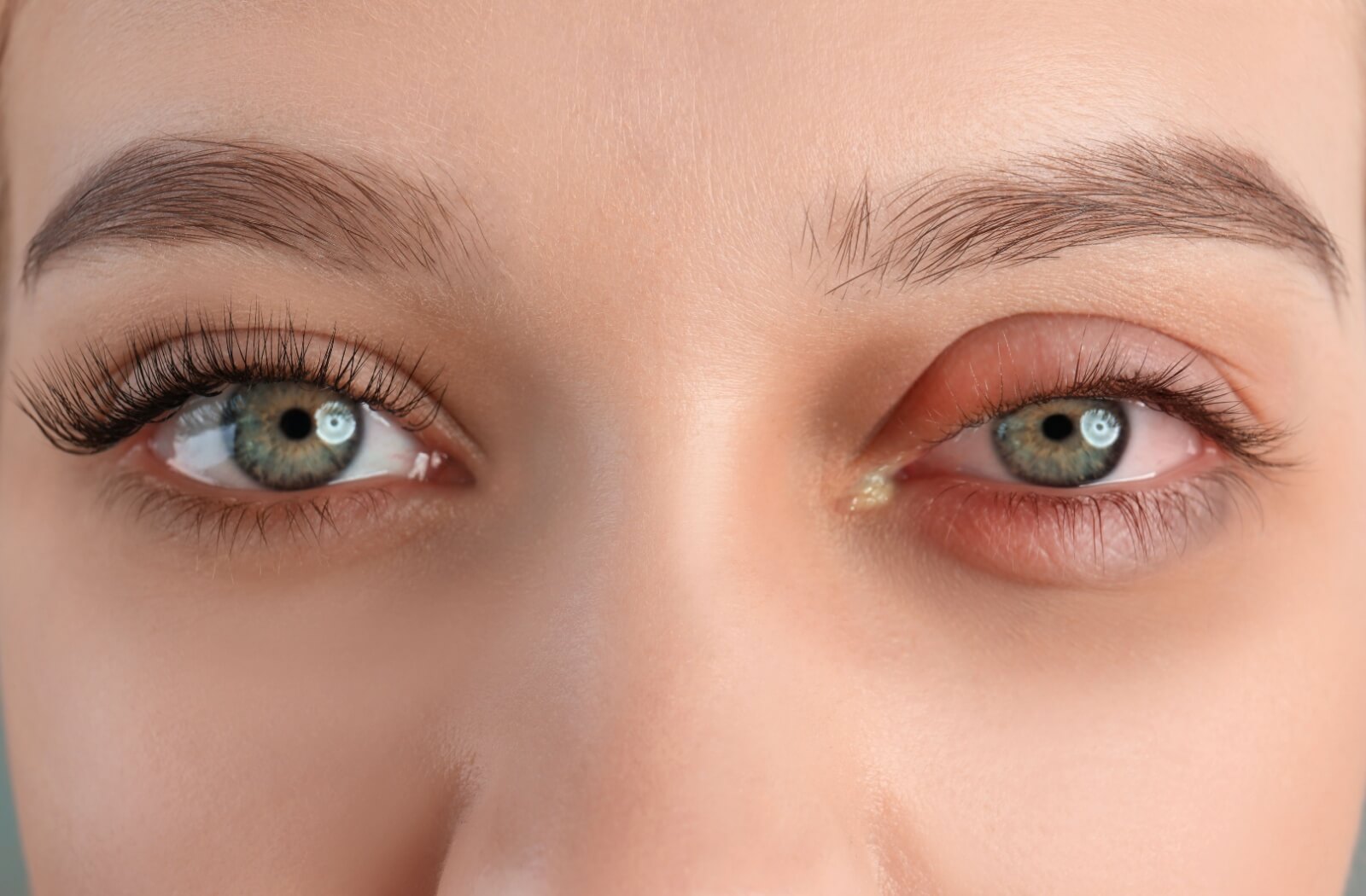


Experiencing double vision can be unsettling and even scary if it occurs suddenly. If you are experiencing this visual change, it could be related to a neurological, cardiovascular or other sight and life threatening event. In those cases, seeking immediate medical care is paramount. For others, who are experiencing vision changes that can include blurry or doubling of vision, the answer may be more straightforward than you think. . At Bella Vision, we hear this concern often, and for many patients, it is related to how much moisture the eyes have.
For some, dry eyes can cause what appears to be blurred or double vision. A stable tear film is important for clear sight, and when your eyes are dry, this can disrupt how well you are able to see even with your glasses and contact lenses..
How Dry Eyes Can Affect Your Vision
Light entering the eye requires a smooth, stable surface in order to focus through the crystalline lens and onto the retina. Much like how a camera lens needs to be clear without smudges, the cornea (clear dome-like structure on the front of the eye) also needs a clear refractive surface. Dry eye syndrome can disrupt this surface, causing a number of visual problems including double or blurred vision, discomfort and if left untreated, permanent damage to your vision.
The Role of Your Tear Film
As you blink, the eyelids spread a thin layer of tear film across the cornea and conjunctival membranes. These tears are a complex matrix of aqueous, lipids and proteins that nourish and protect the cornea. Tears are a protective coating that maintains eye comfort and provides the foundation of clear vision. When your eyes are dry, the tear film can become compromised and unstable. This irregular surface can cause light to scatter as it enters your eye, creating blurry/doubled vision.
More Than Just a Gritty Feel
While double vision can be a sign of dry eye, other symptoms are also common. You might notice:
- A scratchy or sandy feeling, like something is in your eye
- Redness or soreness
- Sensitivity to light
- Watery eyes—which is your body’s response to the irritation
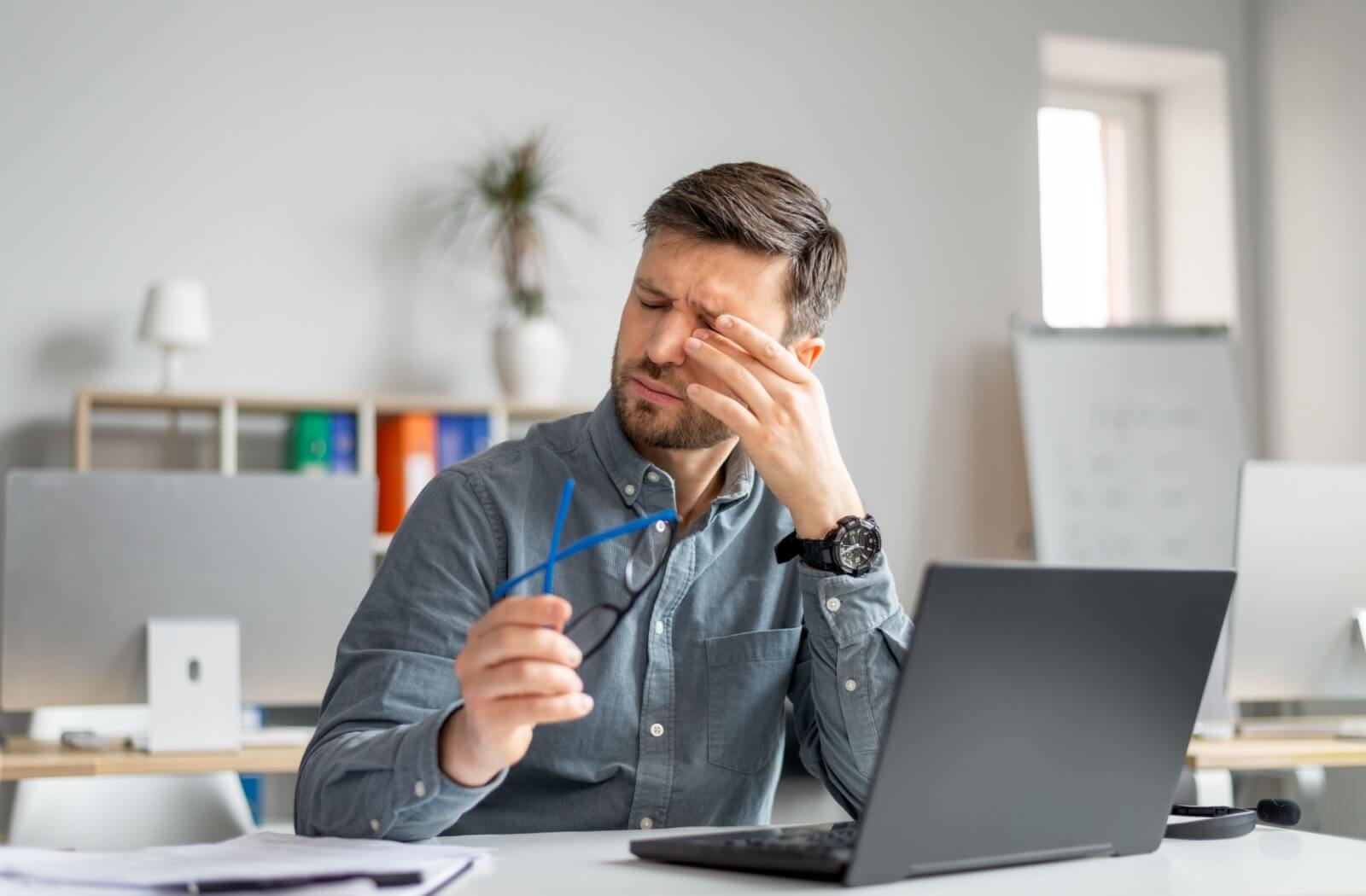
- Tired eyes
- Vision that fluctuates as you are blinking – especially when reading or with computer work
Two Main Types of Double Vision
It helps to know that there are two primary kinds of double vision. A quick check at home can give you an idea of what you’re experiencing. Cover one eye—if the double vision goes away, it’s one type. If it stays, it’s another.
Double Vision in One Eye
Monocular double vision occurs when you see double vision even when each eye is closed. Sometimes patients will complain of double vision, and upon evaluation, they are actually experiencing a shadowy or a “ghost image” rather than seeing two separate images.
Double Vision with Both Eyes Open
This is known as binocular double vision. It happens when your eyes are not aligned properly and goes away when you cover either eye. This type of double vision is related to the cranial nerves that allow your eyes to move and focus together. Neurological, cardiovascular and other systemic conditions, including diabetes, stroke and concussion, can all cause double vision to occur. Other Conditions That Cause Double Vision
While dry eye is a frequent reason for seeing double, it’s not the only one. A comprehensive eye examination is the first step to understanding your vision changes.
Changes to Your Eye’s Shape & Lens
Some other physical factors in the eye can cause double vision. These include:
- Astigmatism: An irregular curve on your cornea (the clear front surface of your eye).
- Cataracts: A cloudiness in the eye’s natural lens that can scatter light.
Eye Muscle & Nerve Issues
Sometimes, the muscles or nerves that control your eye movements are the source of the problem. When your eyes don’t move together in sync, you may see two separate images of a single object.

Red Flags with Double Vision
The signs of an eye emergency are important to know. Seek medical care if your double vision appears suddenly and is paired with any of these signs:
- Weakness or dizziness
- A severe headache
- Trouble speaking
- Numbness on one side of your face
After determining your health is stable, your optometrist can perform a comprehensive exam to check your binocular vision and overall eye health. This helps determine the root cause of your symptoms and recommend the optimal treatment plan.
Treatment Plan
The right treatment for double vision depends entirely on the cause. Suffering with double vision can interfere with daily life, your ability to drive and even work. It is important to not ignore these types of vision changes and find an eye care provider who has the knowledge and expertise to diagnose and understand these types of conditions.
Will Eye Drops Help with Double Vision?
If dry eye is the cause of your condition, then yes—lubricating eye drops or artificial tears can often help. By restoring a smooth tear film on the eye’s surface, these drops can clear up visual distortion and reduce or eliminate double vision. For some, over-the-counter drops are not sufficient, and more advanced treatments are necessary.
Other Treatment Options
Beyond eye drops, your doctor might suggest other therapies for dry eye or different treatments if another condition is found. Options may include prescription medications, specialty lenses for your glasses, or treatment programs like optometric vision therapy.
Double vision can be disruptive, but a clear diagnosis is the first step toward relief. If you’re concerned about your vision, our team at Bella Vision can help. Schedule a thorough check-up with one of our eye doctors in Spartanburg and put yourself on the path to seeing clearly and comfortably again.