
You’re going about your day when you notice it—a gritty, burning feeling in your eyes. Sudden dry eye can be uncomfortable and disruptive. Our team at Bella Vision understands that finding the cause is the first step toward feeling better.
This guide explores the common reasons your eyes might feel dry and what you can do to manage the symptoms of dry eye disease. Sudden dry eye often happens due to environmental triggers, lifestyle habits, or changes in your overall health.
What Does Sudden Dry Eye Feel Like?
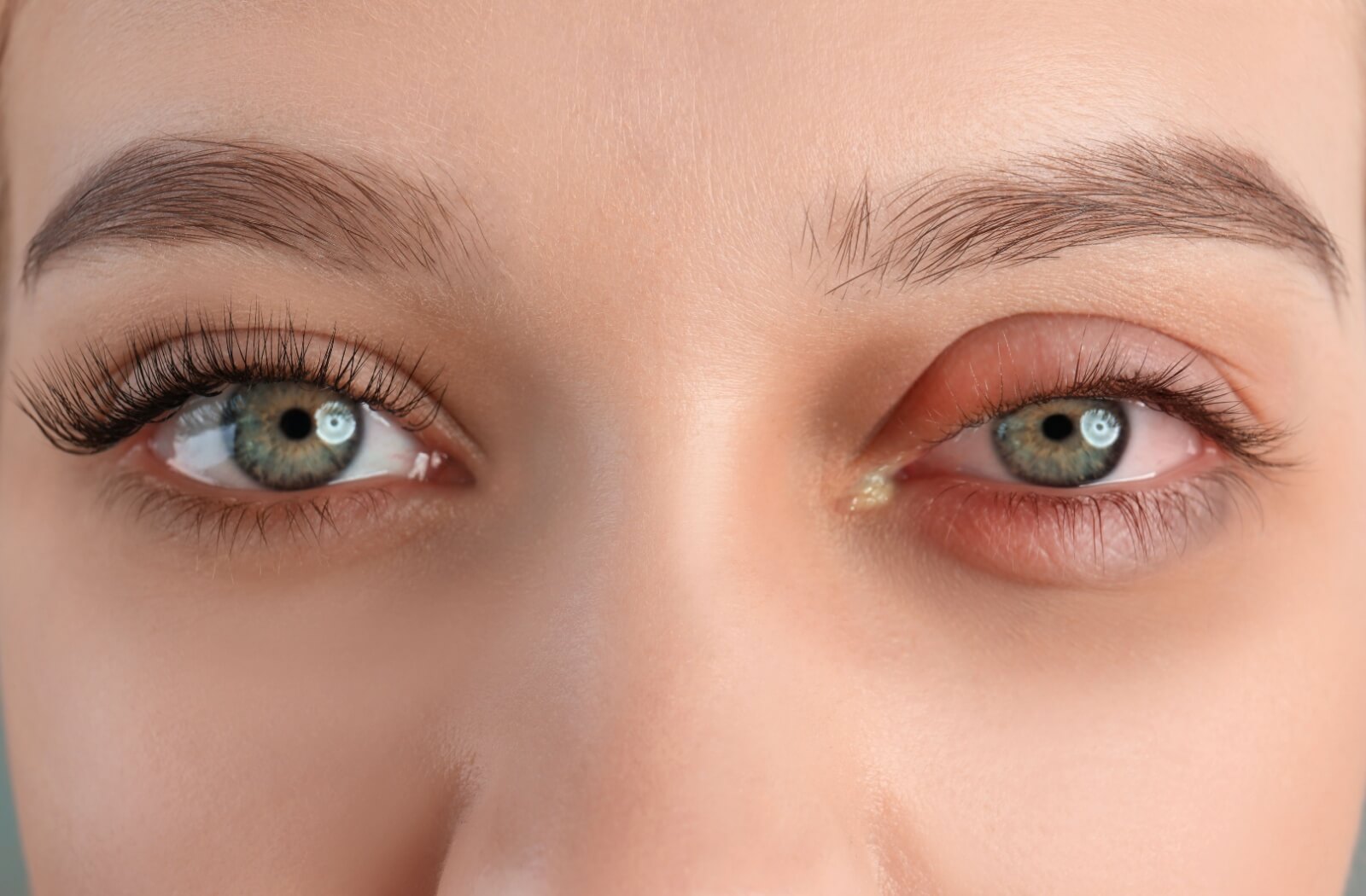
When your eyes suddenly become dry, you might experience a few specific sensations. These signs can appear quickly and are often the first clue that your eyes need more moisture:
- A sandy or gritty feeling, like something is in your eye
- Burning or soreness
- Red or scratchy eyes, which can be mistaken for other eye conditions
- Periods of blurry vision, especially late in the day
- Light sensitivity
- Watery eyes—this is your body’s response to the irritation
- Tired-feeling eyes
Everyday Triggers for Sudden Dryness
Often, the reason for sudden dry eyes is connected to your daily activities or the environment around you. These external factors can disrupt your tear film—the thin layer of moisture that protects your eyes. Without adequate tear film, your eyes may become bothersome, and your vision can also become more unstable and blurry.
Your Environment and Allergies
Exposure to wind, dust, smoke, or very dry air from heating or air conditioning can cause the moisture in your eyes to evaporate more quickly. Seasonal allergies can also trigger inflammation that leads to dryness and discomfort. Of course, using OTC decongestants is necessary for some people during allergy season. Just be aware that decongestants not only dry out your nasal mucosa, but your eyes, too.
Screen Time and Reduced Blinking
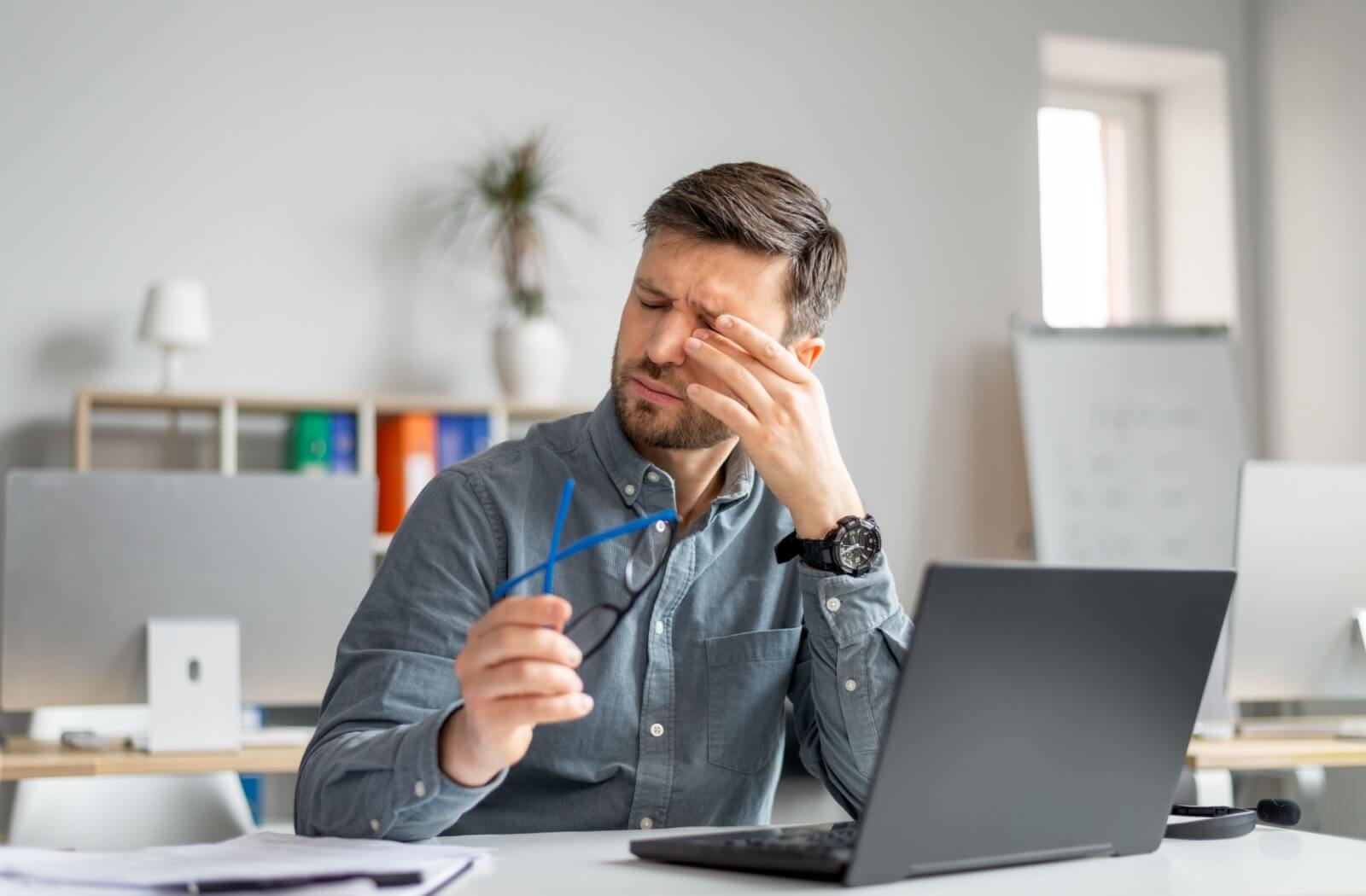
When you focus on a computer or phone screen, you tend to blink less often. This is a common cause of digital eye strain, as less blinking means less moisture gets distributed, leaving your eyes feeling dry and tired.
Contact Lens Wear
Contact lenses sit on the surface of your eye and can sometimes interfere with the natural flow of tears. This can cause dryness and irritation, which is why it helps to know how to manage dry eye while wearing contact lenses, especially for long periods. As always, contact lens hygiene and not sleeping in your contact lenses are critical to maintain safety while wearing them.
How Your Overall Health Affects Your Eyes
Sometimes, the cause of sudden dry eyes comes from within your body. Changes in your health or new medications can directly impact your eye comfort and your body’s ability to produce quality tears.
Changes in Medication
Certain medications—like antihistamines, antidepressants, and blood pressure medicine—can have side effects that reduce tear production. This change can lead to the sudden onset of dry eye symptoms.
Hormonal Shifts and Age
Hormonal changes due to pregnancy or menopause can affect your body’s ability to produce tears. Tear production also naturally slows down as you get older, a change that can increase your risk of dry eye disease and make you more susceptible to dryness.
Nutritional Factors
Your diet also plays a role in eye health. We recommend certain vitamins for dry eyes, such as omega-3 fatty acids, to improve dry eyes. A diet high in preservatives can also trigger dry eye symptoms as well as systemic inflammation.

Can Dry Eyes Be a Symptom of Something Serious?
While most cases of dry eye are related to environmental or lifestyle factors, persistent dryness can sometimes be linked to other health conditions. Conditions like rosacea, thyroid disease, autoimmune diseases, diabetes, and Sjogren’s syndrome may present with dry eye as a symptom. If you are concerned and feel your dry eye symptoms are worsening, a comprehensive eye exam with one of our experienced optometrists can provide the correct diagnosis and treatment options for you.
Ways to Soothe and Manage Dry Eyes
Finding relief often starts with a few simple adjustments and at-home care. If those don’t work, professional care can provide more targeted solutions for your discomfort and help your eyes feel comfortable again.
Lifestyle Adjustments for Comfort
Small changes can make a big difference. Try taking regular breaks from screens using the 20-20-20 rule, where every 20 minutes spent looking at a screen, you should try to take a 20-second break to look at something 20 feet away, add moisture to the air with a humidifier, and wear sunglasses outside to protect your eyes from wind and sun. Many of us don’t realize that when working on a computer or looking at our phones, our blink rate actually declines, creating dry eyes.
Over-the-Counter Eye Drops
Artificial tears can provide immediate, temporary relief by adding moisture back to your eyes. There are many types available, including gels and ointments for longer-lasting comfort, especially for use overnight. My recommendation is to skip the drops that “get the red out” and opt for a preservative-free artificial tear. If you find yourself using these drops more than four times a day, then it might be time for prescription eye drops to improve tear production and decrease inflammation.
When to See an Eye Doctor
If home remedies aren’t enough, it’s a good idea to schedule a comprehensive eye exam. A thorough evaluation can determine the specific cause of your dryness. Our eye doctors at Bella Vision have the clinical experience to diagnose and develop a personalized plan with dry eye treatments to help manage your symptoms.
Find Relief Today
To find lasting relief, schedule a visit with our team at Bella Vision. Our doctors provide diagnosis and treatment in ocular disease, vision rehabilitation and managing dry eye disease, offering comprehensive eye exams for your whole family. We strive to provide comprehensive care for all ages – we focus on what’s right for you to keep your eyes healthy and vision clear for years to come.