
Key Takeaways
- Myopia (nearsightedness) makes distance objects look blurry while near objects typically stay clear.
- Myopia can be corrected, but the eye growth behind it cannot be undone.
- Myopia Control includes treatment options that slow down the rate of myopia and reduce elongation of the eye. Treatment options include: orthokeratology (ortho-k) contact lenses, MiSight soft contact lenses, low-dose atropine drops and the Stellest ophthalmic spectacle lens.
- Studies show increase in near work (screen time) and less time spent outdoors can increase myopia progression.
- Annual comprehensive eye exams starting 3 years old can help identify those who are more at risk for myopia.
When I was in second grade, my teacher told my mom that I was struggling in school and suspected I was having trouble seeing the board. She recommended that my mom take me to an optometrist for an eye exam.
I have vivid memories of sitting in the tall exam chair as my optometrist clicked through different lenses. Miraculously, I could see the world become clearer right before my eyes. I think I fell in love with optometry right then and there.
A few weeks later, armed with my new pink glasses, I read aloud every road sign on the drive home. The entire world opened up to me, and I began excelling in school. I loved my glasses and looked forward to visiting the eye doctor every year. Looking back, I can honestly say that being prescribed glasses as a nearsighted child—and continuing to wear them as an adult—has shaped who I am today.
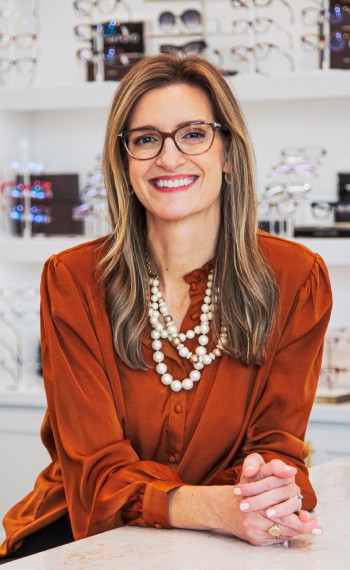
All these years later, my mom still feels guilty that she didn’t realize how much I was struggling to see. As a neuro-optometrist who specializes in vision-related learning problems, I try to explain to parents that vision is a deeply personal experience. Children may have difficulty describing what they see or explaining that something is wrong. Often, they don’t even realize that the board could look clearer, reading could feel easier, or the world could be more in focus.
There is nothing more rewarding than helping improve someone’s quality of life by prescribing the right lenses to optimize their vision and change how they experience the world.
So if you are wearing glasses, it should be on your checklist to get your child’s eyes examined annually. At Bella Vision, our doctors go above and beyond to not only provide the best eye care for your child, but to help you as the parent understand your child’s vision too.
Myopia, also called nearsightedness, can be corrected with glasses, contact lenses, or surgery, but it can’t be cured. The good news, though, is that there are ways to slow down further myopia progression when it’s caught early enough in childhood. These options are called myopia control.
What Myopia Means for Your Vision
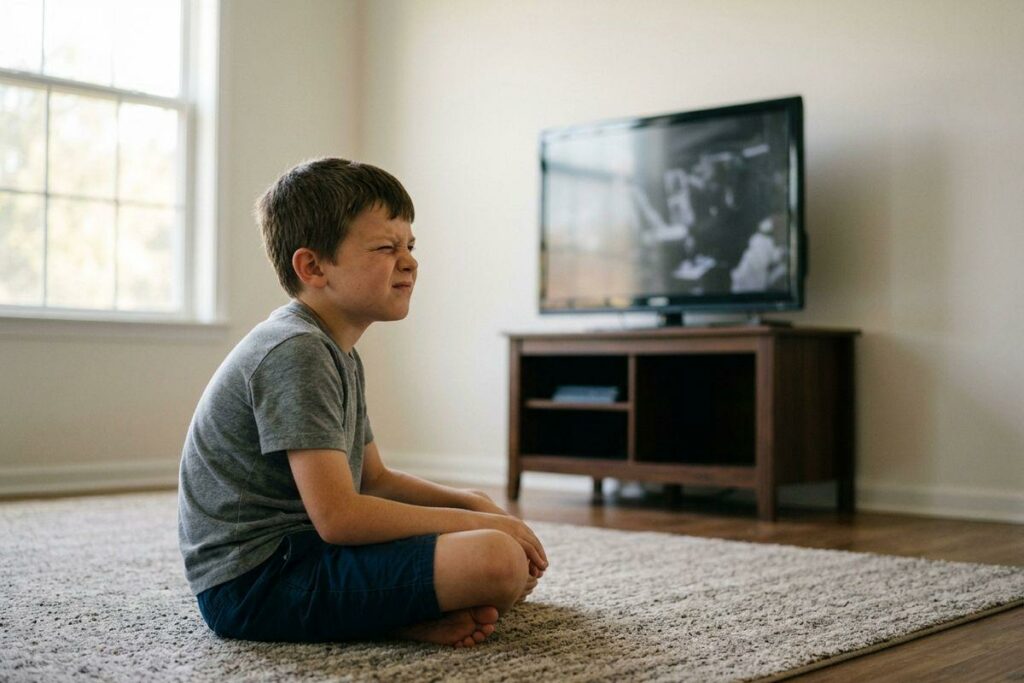
Myopia causes distance blur while close-up vision can typically stay clear. Some patients can tolerate blurry vision more than others, but as it progresses, street signs, faces across the room and seeing the board at school can become a problem.
Myopia typically begins in early childhood. The biggest increase in myopia tends to be around 2nd and 3rd grade as vision demands increase, i.e. seeing the board at school. Myopia can progress rapidly, which is why a prescription from the 3rd grade rarely fits by 5th grade. Risk factors for myopia include family history (if parents are myopic), near point demands (screen time) and less time spent outdoors.
Signs to Watch For
Kids rarely say their vision changed, since blurry distance vision feels normal to them. Here are the signs worth noting:
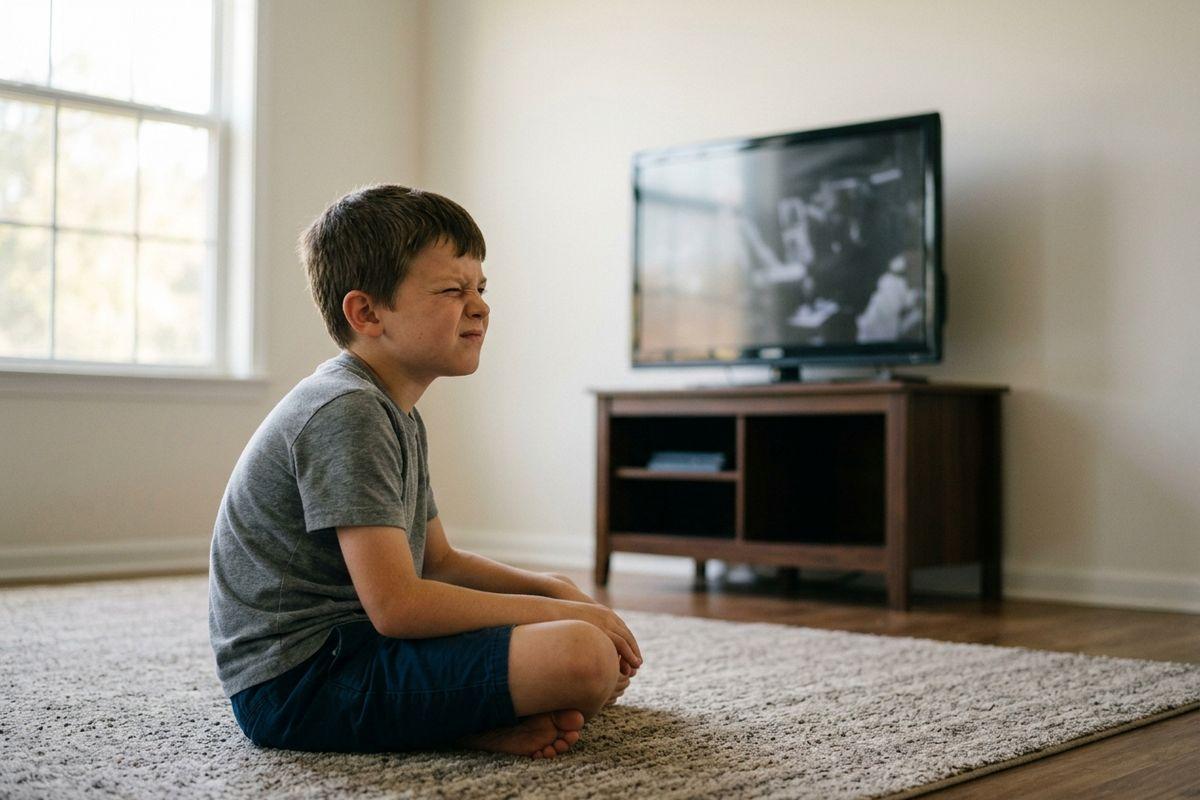
- Squinting to see across a room or outdoors
- Headaches or eye strain after school or screen time
- Sitting close to screens or holding books very near
- Trouble seeing the board at school
- Decrease in reading comprehension or diagnosis of ADHD or other learning differences
Why Myopia Can Be Corrected but Not Cured
Myopia essentially means that the length of the eye increases. This is called axial length elongation and causes incoming light to not be focused on the retina. Glasses and contact lenses shift how light refracts in the eye, putting the out-of-focus image on the retina. Once you take your glasses or contact lenses off, the blurry vision returns.
Prescription changes can be confusing for the parent since some children progress faster than others. I often get questions about why we need to recheck their child’s vision frequently those first few years. This allows us to understand the rate of progression and to intervene with treatment so vision doesn’t continue to just get worse year after year.
Does Myopia Go Away on Its Own?
Myopia typically slows by late teens or 20s. Online gimmicks and supplements will not change the shape of your eye or fix your myopia, so don’t fall prey to them.
Risk Factors for Myopia
One topic that is worth addressing is: why do we care if myopia progresses? If you or your child are already wearing glasses or contact lenses, what’s the purpose in treating something you’ll still need to correct? It’s important to understand that the physical lengthening of the eye is the problem. These are listed here not to instill fear, but to educate you, the reader.
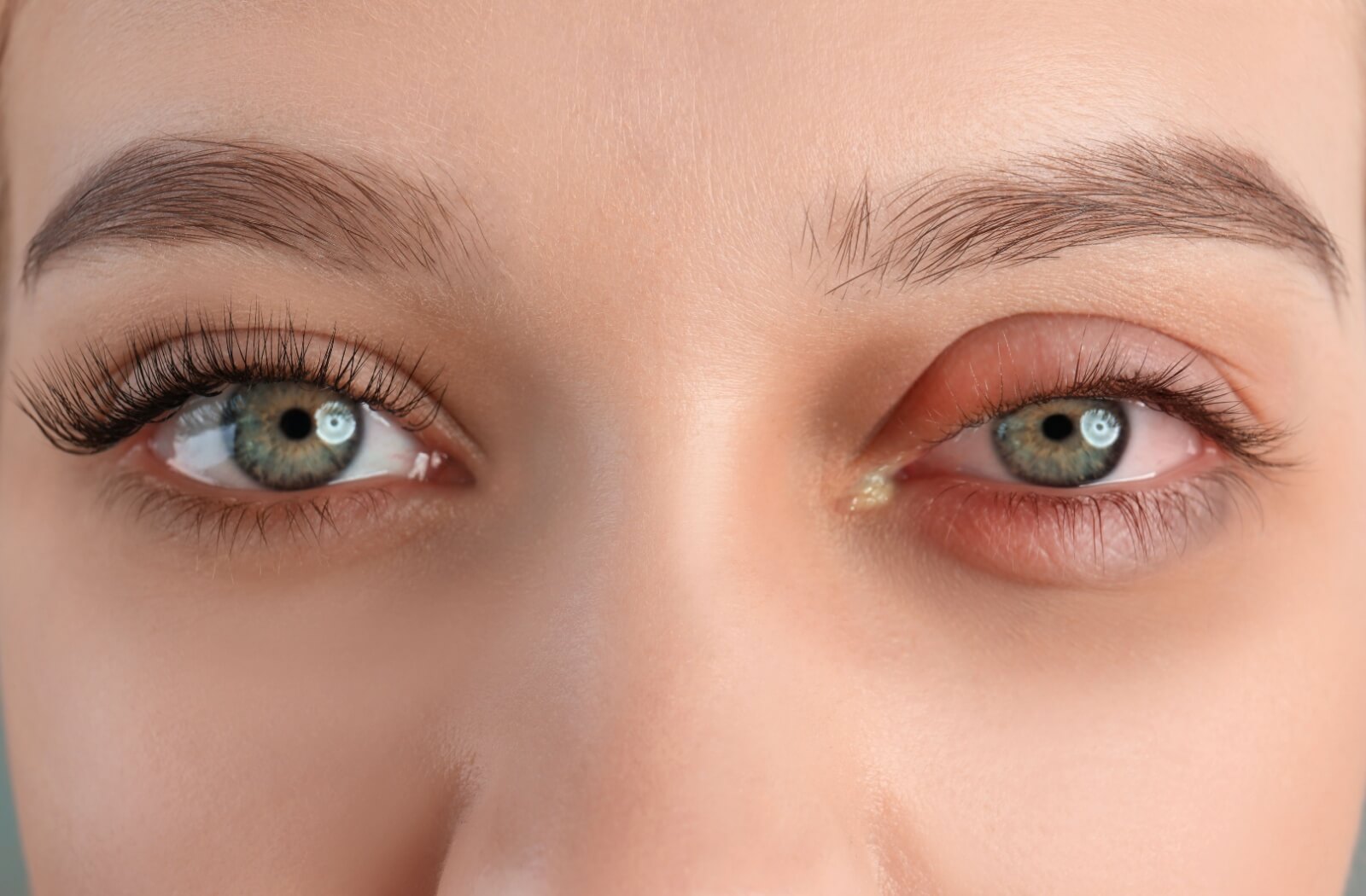
- Retinal Detachment – elongation stretches and thins the retina, making it 3 to 12 times more likely for the retina to tear or detach. This can cause permanent vision loss without prompt treatment.
- Myopic Macular Degeneration – macular degeneration due to disruption of the photoreceptors of the macula, resulting in the loss of central vision (20/20 visual acuity).
- Myopic Choroidal Neovascularization – where fragile blood vessels grow beneath the macula, causing vision loss and distortion.
- Primary Open Angle Glaucoma – myopia can increase your risk for glaucoma by 2-3 times. In this disease, the pressure of the eye is elevated, causing the optic nerve to progressively thin over time, causing permanent vision loss.
- Cataracts – patients with early-onset myopia are more at risk for developing cataracts earlier. Cataract formation is when the lens of the eye becomes clouded and needs surgery to be corrected.
Myopia Control: Options to Correct and Slow Myopia
The National Institutes of Health (NIH) has conducted several studies on myopia progression. These methods of myopia control are FDA-approved and are essential in preventing worsening vision. Here are the treatment options for myopia control we prescribe at Bella Vision:
- Orthokeratology lenses, called ortho-k – overnight corneal reshaping contact lenses that slow axial length changes by approximately 50%. The patient does not need to wear glasses/contact lenses during the day.
- MiSight soft contact lenses – create peripheral defocus that reduces axial length progression. The patient wears these soft lenses during the day and removes them at night.
- Stellest Lens is the first FDA-approved spectacle lens designed to slow myopia. The lens uses aspherical lenslets arranged in rings to create a volume of light signal in front of the retina, signalling the eye to slow its axial elongation. Studies show an approx. 70% reduction in myopia if worn consistently (12+ hours/day) for 2 years.
- Low-dose atropine eye drops are prescribed once nightly at bedtime to slow the progression of childhood nearsightedness. Studies show that low-dose atropine can reduce myopia progression by about 30% to 50%, though children still need glasses or contact lenses for clear distance vision.
Surgery and Age Considerations
Refractive surgery like LASIK, PRK and ICL are all options to correct myopia. These procedures should be done by a board-certified ophthalmologist who specializes in cornea and refractive care. These procedures are generally safe, but also come with risks including dry eye disease, keratoconus and the need for further corrective lenses.
Daily Habits That Support Your Eyes
Small changes to your family’s routine can support healthy visual habits. Aiming for around 2 hours outdoors each day gives the eyes a break from constant close focus, whether that’s a walk after dinner or a soccer practice.
During homework or screen time, I recommend the 20/20/20 rule, where you step away from close work every 20 minutes and look at something farther away for at least 20 seconds. Keep reading areas well lit, too. Eyes shouldn’t have to work harder than they need to in a dim room.
Why Regular Eye Exams Matter for Myopia
Diagnosing myopia early allows us to understand progression and to treat sooner. As discussed, higher prescriptions have been linked with other eye conditions worth watching for over the years.
What to Expect at an Exam
During a comprehensive exam, we will measure your prescription and evaluate the health of your eyes. Treatment options will also be reviewed, and all questions answered. Follow-up appointments are important in order to monitor the rate of change and worsening vision.
Book Your Next Eye Exam
Even though myopia is common and there is no quick fix, it is something you can manage and prevent further worsening vision with the right care team. Our doctors at Bella Vision will walk you through your options and help you decide what makes sense for your family. Schedule a comprehensive eye exam today; we are excited to help you see better.