

Key Takeaways
- Tobacco smoke contains thousands of chemicals that not only cause cancer and disease, but also irritate the surface of the eyes.
- Secondhand smoke is associated with causing dry eye symptoms.
- Dry, red, burning or watering eyes will feel worse in a smoky room.
- People who smoke report dry eye symptoms more frequently.
- During a comprehensive eye exam, we examine the ocular surface, including tear film layers that are essential for clear, comfortable vision.
I might be showing my age, but I remember during my very first flight, the back four rows of the airplane were a dedicated smoking section. Although cigarette smoking is less common than it used to be, if you find yourself in a smoky room, you might wonder if you stepped back in time.
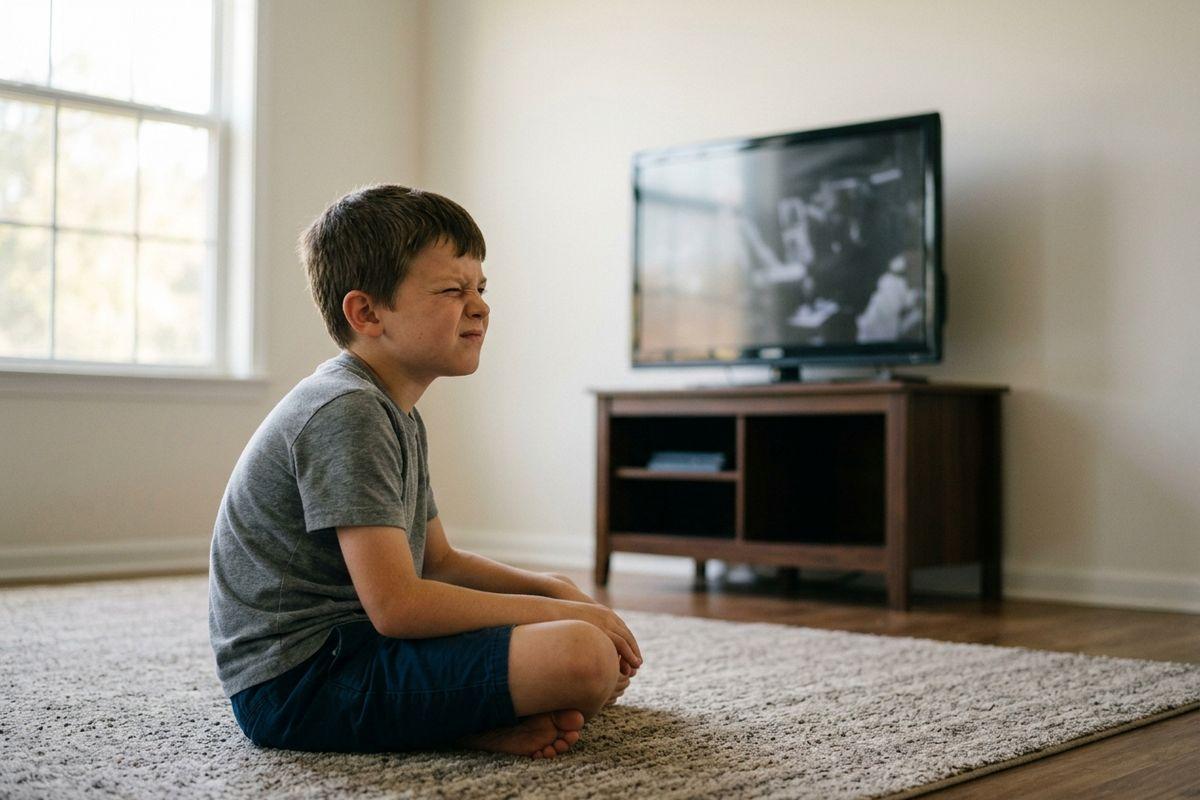
As someone who has struggled with dry eye syndrome after LASIK, if I go somewhere with smoking, within a few minutes my eyes start to burn and water. Exposure to chemicals found in smoke can exacerbate dry eye symptoms and cause increased blinking, blurred vision and foreign body sensation. Our team at Bella Vision hears this often from people living with dry eye symptoms.
There is a connection between smoking – yes, even second-hand smoke exposure- and dry eye syndrome. The chemicals released into the air disturb the delicate tear film layer that covers your eye. Tear film is essential for clear, comfortable vision.
How Smoke Affects Your Tear Film
Tobacco smoke transmits thousands of chemicals into the air and directly to the ocular surface. As you are blinking, tears are distributed across the ocular surface with each blink. The average person blinks about 15 to 20 times a minute, with each blink lasting approximately 0.2 seconds. This means that for most of the day your eyes are directly exposed to the air, and the thin tear layer coating the front of each eye is the only thing protecting your eye from exposure.
If the tear layer breaks down too quickly, you might notice your eyes begin to burn or feel like there is something in them that you can’t blink away. That’s why it’s important to understand that you don’t even have to be the person who lights the cigarette. Just being around secondhand smoke is linked to dry eye symptoms.
Signs Your Eyes Are Reacting to the Chemicals in Smoke
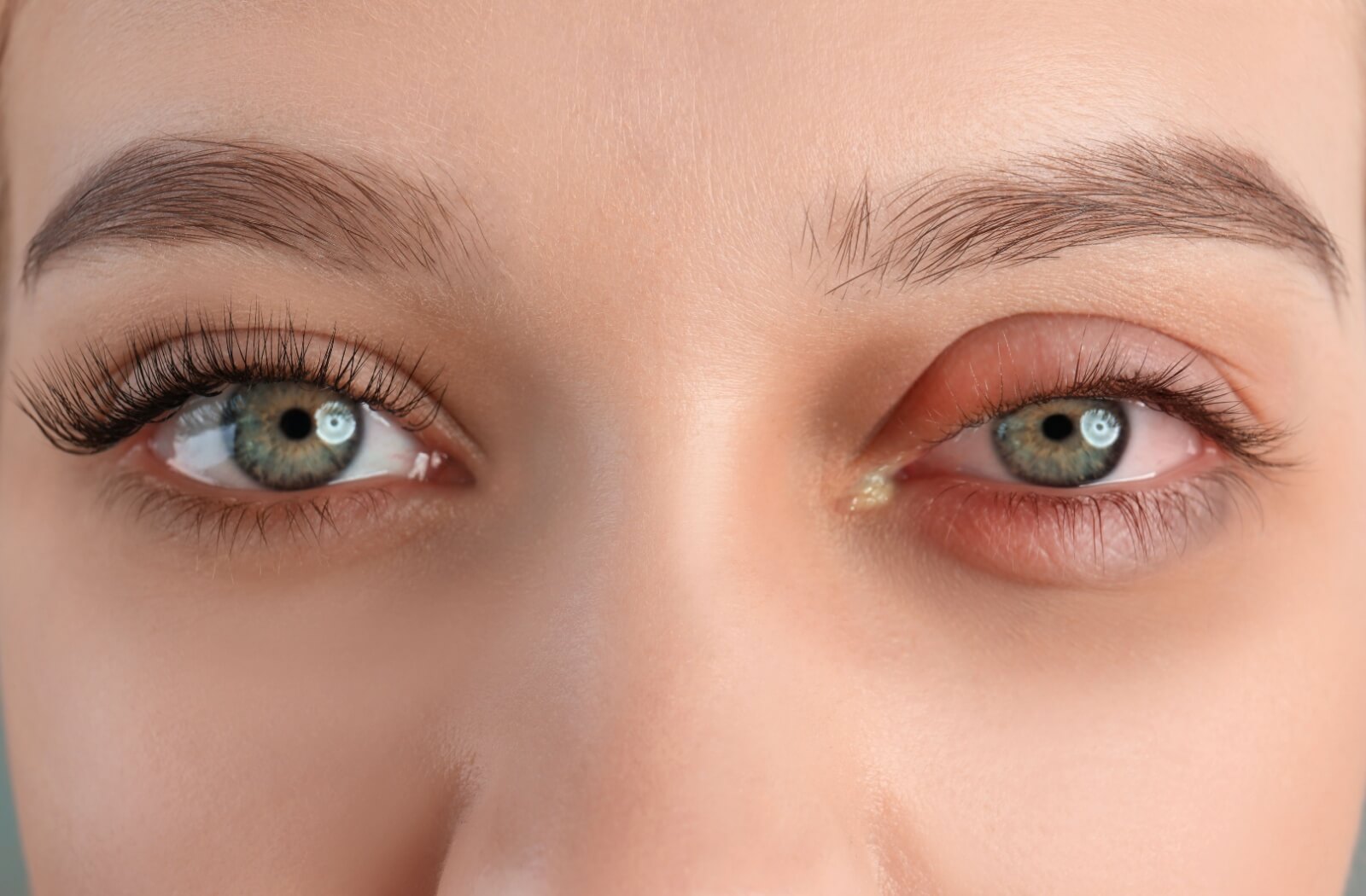
Dry eye symptoms tend to show up quickly around smoke, and they can linger after you step away. Watch for these signs:
- A gritty, scratchy, or burning feeling
- Redness across the white of the eye
- Watery eyes, which can happen even when your eyes feel dry
- Blurry vision that clears for a moment after you blink
- Symptoms that get worse indoors or when you’re near someone smoking
Other Common Dry Eye Factors
Smoke isn’t the only thing that leaves your eyes uncomfortable. Patients who have aqueous deficiency dry eye are unable to produce enough tears. Others may not have good-quality tears, and they evaporate too quickly. Most patients, though, have some kind of combination between aqueous-deficient dry eye and evaporative dry eye that is linked with meibomian gland dysfunction.
External factors like long stretches of screen time, wind, dry indoor air, and pollution can all exacerbate the problem.
What Research Says About Smoking and Dry Eye
People who smoke report dry eye symptoms more often than people who don’t. That pattern shows up consistently enough to be worth paying attention to.
Length of time seems to matter more than how much someone smokes in a day. In other words, years of smoking appear to carry more weight than the number of cigarettes.
Still, these findings are not settled. Researchers are continuing to study the relationship, so the picture may keep shifting.
What Happens to Your Eyes After You Quit Smoking
Research on whether dry eye symptoms improve after someone quits remains mixed. Some people notice a difference, and some don’t. Since dry eye syndrome is a chronic condition, in my experience, we have to continue to manage ocular surface inflammation even if the patient successfully quits smoking.
Quitting still supports your wider eye health, so it’s worth doing regardless of what happens with dryness. From there, our team can help you manage ongoing symptoms with dry eye services.
Ways to Protect Your Eyes Around Smoke
Small adjustments can make smoky settings easier on your eyes.
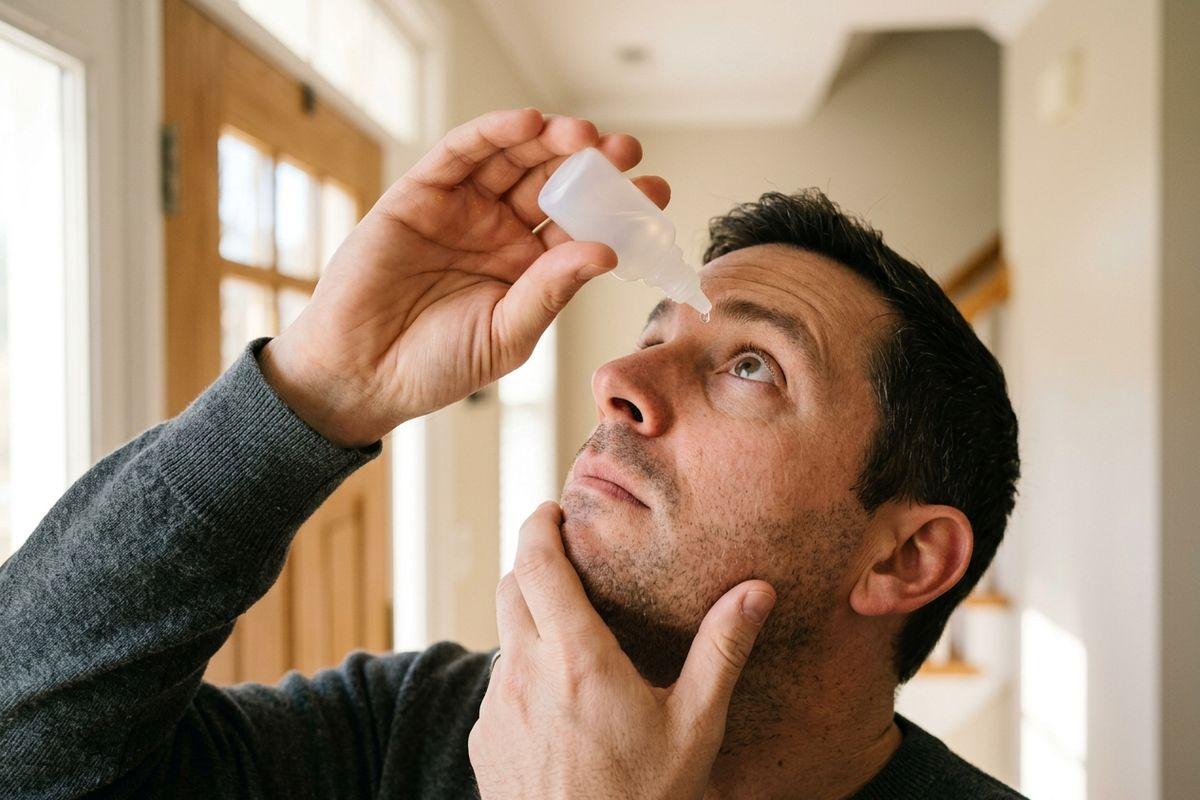
- Instill preservative-free artificial tears if you are around smoking.
- Keep your time in smoky rooms short, and step outside for fresh air when you can.
- Ask friends or family to smoke outside or away from shared spaces.
Daily Habits for Comfort
Here are some simple things you can do to improve ocular comfort and keep your eyes healthy and comfortable:
- Take blink breaks while you’re on screens. Looking away from your monitor and blinking a few times fully helps more than you’d expect.
- A humidifier can soften dry indoor air, especially in winter.
- Drink water throughout the day and stay hydrated.
- Wear sunglasses outdoors to shield your eyes from wind and sun.
- Have your eyes examined annually and don’t ignore symptoms that bother you – they can continue to get worse if not addressed.
When to Come See Our Eye Doctors at Bella Vision in Spartanburg
If you are experiencing symptoms, don’t ignore them! Dry eye symptoms typically will continue to get worse with time, age and our modern lifestyles on screens. Many patients wait until they are miserable or until their vision is compromised. I always tell my patients, “You only have 2 eyes, and you’ll want to see everything even when you are 90 years old.”
During your comprehensive eye exam, we can assess the quality of your tears and closely examine the surface of the ocular surface. From there, we can discuss a treatment plan for dry eye management.
Our team at Bella Vision can talk through what you’re feeling and help you find relief. Book your eye exam today.